S3 2026
July 19 - July 30, 2026
Projects
The bulk of your time at the School will be spent working on a research project. You may indicate your preference regarding the project in your application, but teams will be assigned upon arrival to the School, once you get to meet the project leaders in person.
You can read more about the projects available at this camp below. The details of some projects will be announced soon.
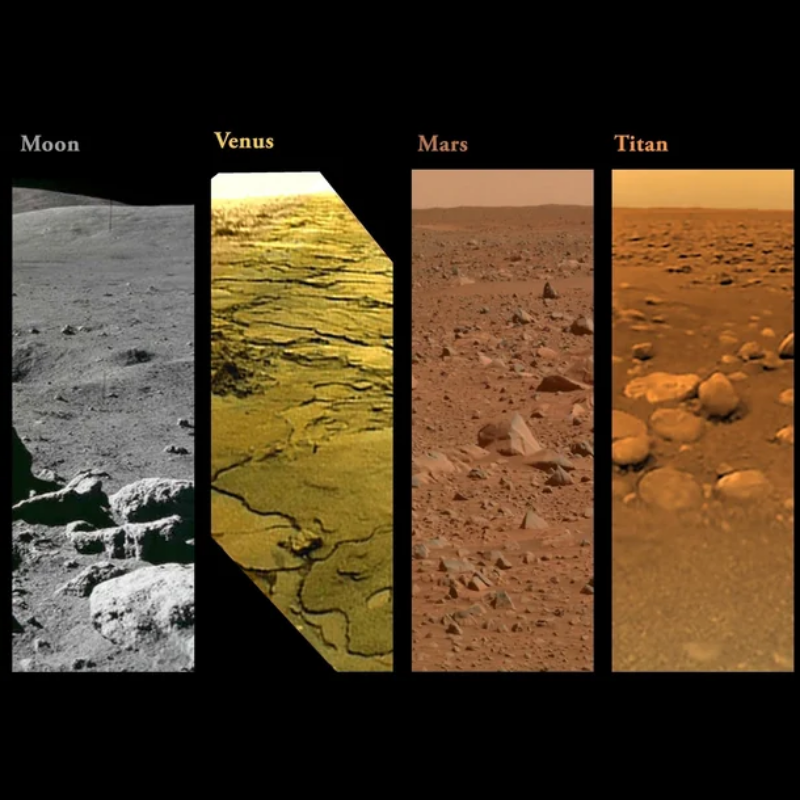
Three Worlds, Three Clients: Reading Planetary Fingerprints
Our universe is teeming with stars. In the most recent decades, astronomers have started drawing their attention toward their numerous planets - thousands of worlds orbiting distant suns which sometimes seem impossibly out of reach, and yet some of them offer us a glimpse of hope of harboring life or resources. The problem we are facing today is not whether we can identify these worlds, but whether we can classify them accurately.
During this 12-day project, you will take on the role of junior consultants for Galactic Real Estate Ltd., tasked with reconstructing lost planetary registry files following data archive failure.
Our clients have different requirements - one needs an Earth-like world with water cycles and oxygen; another is interested in cold gas giants; a third client is looking to buy a volcanic world with geothermal heat.
At stake are thus fifty thousand colonists, high-demanding clients, and the very survival of our corporation. Using astronomical methods, such as spectral analysis, light curves, velocity mappings, and biosignatures, you will determine which of the worlds is allocated to which client. Your identification must prove specific properties and ratios. Success secures weekend privileges and saves the HR department from paperwork.
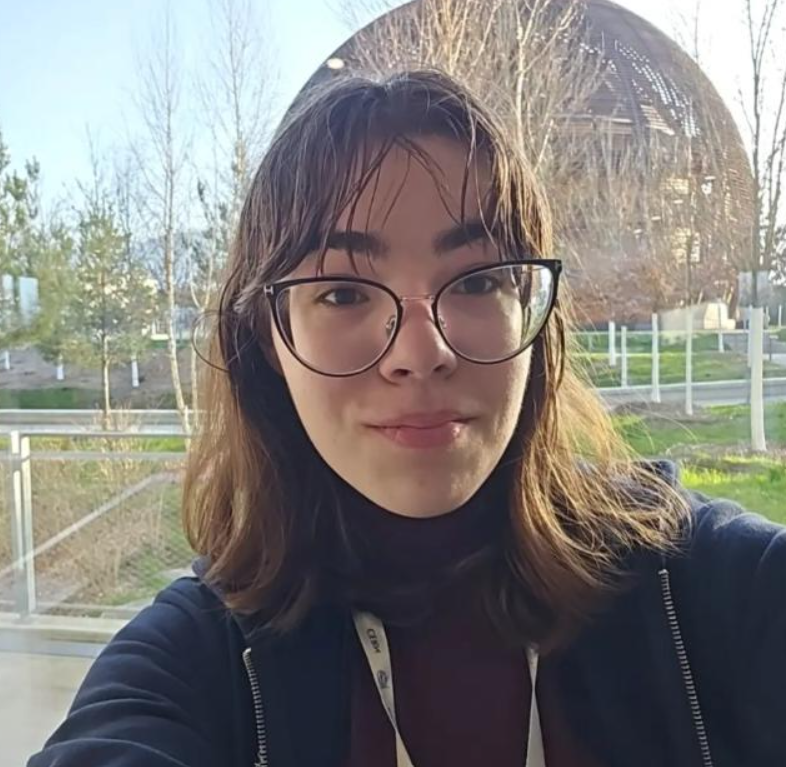
Bianca Balasoiu
School of Physics, Trinity College Dublin, Ireland
Bianca is a Physical Sciences student currently entering her second year at Trinity College Dublin and an alumna of CERN’s Solvay Camp. Her fascination with astrophysics and mathematics was sparked by Brian Cox’s documentaries in middle school and developed through summer programs, high school research, and competitions in cosmology and space settlement. She has coordinated science outreach projects introducing rocket modelling to secondary students. Beyond academics, Bianca is an active reader, loves night observations and spending her mornings with coffee on the university’s field and gets excited to meet new people and help them pursue their passion for science.
Bacteria Under Pressure: From Laboratory Cultures to Molecular Mechanisms
Molecules with antibiotic properties have been around long before mankind recognized their usefulness in preventing and treating bacterial infections. In the 20th century we began mass-producing antibiotics, mainly synthetic derivatives of naturally produced antibiotic molecules. Since then, antibiotics have routinely been used for different purposes in the fields of medicine, agriculture, food industry and many more. Consequently, many of such products end up in the environment affecting entire microbial communities causing rapid resistance development. This combined with the extraordinary bacterial ability to adapt to ever-changing environments has created one of the most substantial problems of the 21st century - post-antibiotic era.
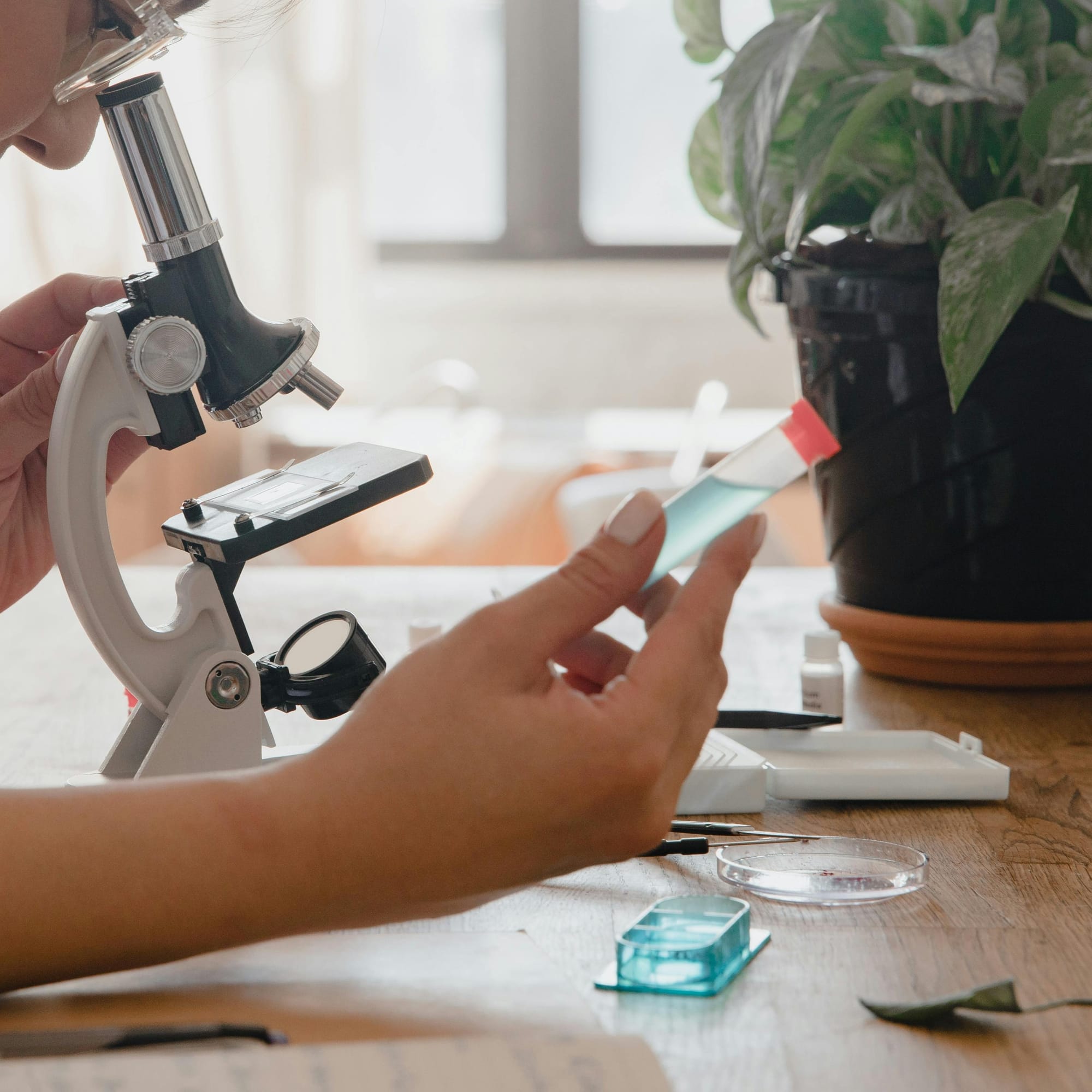
Throughout this project we will examine how different growth conditions can affect bacterial resistance to antibiotics. This will be done using several bacterial colonies grown on agar plates. By adjusting different factors such as temperature, pH, medium composition we will try to deduce the extent to which bacterial adaptability can be controlled. In doing so, we will explore techniques giving you a chance to gain practical knowledge in handling bacteria such as making agar plates, cell-count methods, staining methods used for recognizing specific characteristics etc. By the end of this project, you will gain a deeper insight into the world of microorganisms and the effects they have on our macro world.

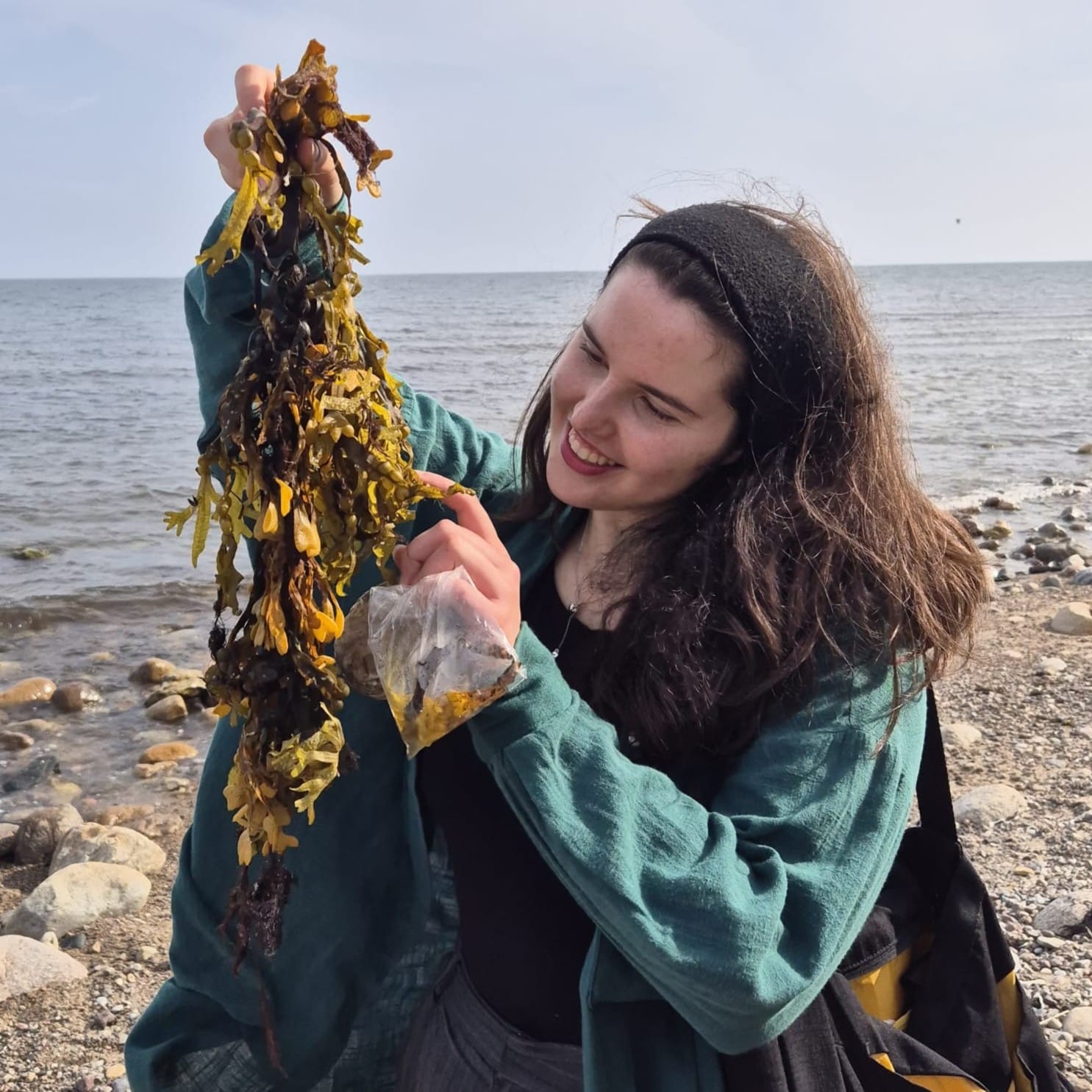
Mia Mandić
University of Zagreb, Croatia
Mia is a biology student at the University of Zagreb Faculty of Science with a deep interest in molecular biology. Very early on in her studies she became active in the Association of biology students - BIUS, where she discovered many opportunities, and became a co-founder of several projects the following year. Her passion for project work and collaborations has led her to explore many fields. From making permanent histology slides to genetically adapting bacteria, she loves a good challenge. Outside of the lab, you'll find her having fun and traveling with friends.
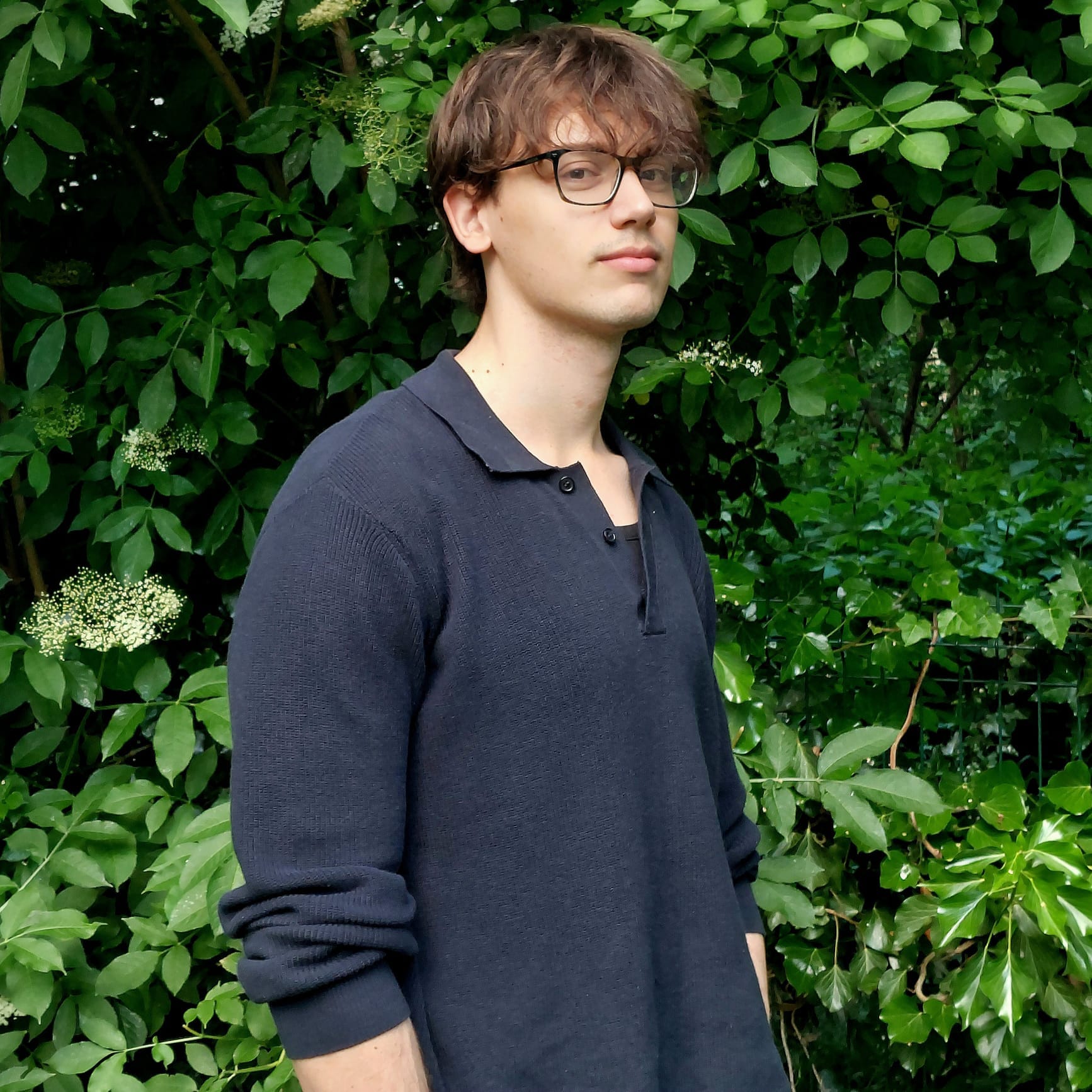
Petar Nakić
Institute of Medical Research and Occupational Health, Croatia
Petar is a young researcher with a background in Biotechnology and holds a Master of Science in Molecular Biotechnology. He is currently employed at the Institute for Medical Research and Occupational Health in Zagreb, where he is also pursuing a PhD in Biochemistry at the University of Zagreb, Faculty of Science. His work combines experimental and analytical approaches in the life sciences. Guided by the belief that science should be approachable to everyone, he is especially passionate about hands-on collaborative projects and workshops. Outside academia, he enjoys fitness, cinema, and exploring nature.
Life in a Changing Environment – Evaluating Pollution in Urban vs. Natural Ecosystems
Human activities have substantially altered ecosystems. This means that all kinds of organisms now have to cope with different stressors, such as global warming, pollution, invasive species, and habitat destruction. We already know that such alterations cause a loss of biodiversity, bringing countless species to the verge of extinction. To stop this, we need to better understand how organisms and ecosystems react to different stressors. While some stressors are well researched, others still raise many questions for scientists.
In this project, we take on the role of environmental protection researchers. Our goal is to gather more knowledge about lesser-understood environmental stressors, such as light pollution. Humans use light to navigate through darkness, but we do not yet fully understand how artificial light at night interferes with our co-inhabitants on Earth. Light is a very important environmental cue because it sets internal clocks and coordinates the daily activity and behaviour of all organisms. In this project, we aim to assess pollution levels in the city and compare them to those in a less polluted natural ecosystem. First, we will identify light sources and other pollutants and collect field data to see how organisms have reacted and adapted to these stressors. We will then analyse samples using ecological and laboratory methods and evaluate our results. Ultimately, we will discuss different conservation methods and take on the role of city planners to design more ecosystem-friendly lighting strategies.
Sandra Regina Lang
University of Bielefeld, Germany
Sandra is a fourth-year PhD student in the Department of Chemical Ecology at Bielefeld University and specializes in global change stressors, particularly light and chemical pollution. Her main research interests include global change ecology as well as nature and environmental protection. She is passionate about science education and loves teaching and working with students. Outside of science, she enjoys spending time in nature, engaging in creative activities such as crocheting and knitting, and cooking with friends.
An Ocean of Change – How Climate Change Affects our Blue Planet
The global ocean plays a key role in many terrestrial processes and is changing rapidly with climate change. The ocean is a complex system influenced by biological, physical and chemical processes. It stores dozens of times more carbon than the atmosphere. Photosynthesising organisms in the surface ocean produce about half the oxygen we breath. Ocean currents transport heat from the equator to the poles, without which regions such as northern Europe would be much colder. Furthermore, the ocean influences and interacts with other components of the Earth system, such the atmosphere, the continents and ice sheets. Climate change is causing oceans to take up more CO2 and heat, with adverse effects for many ocean-dwelling organisms such as corals. The ocean has also changed slowly through time over thousands and millions of years.
In this project you will learn about the physical, chemical and biological processes taking place in the oceans. You will perform hands-on experiments that demonstrate the principles of convection and CO2 dissolution in water. Additionally, you will analyse shells and other carbonate structures under a microscope. Afterwards, you will apply your results to the real ocean, explore how these processes connect and how they are being affected by climate change. By the end of the project, you will have gained an insight into how ocean processes affect our blue planet, as well as how this is changing due to global warming.

Tom Crossley
Earth and Planetary Science Department, ETH Zürich, Switzerland
Tom is a second-year Bachelor’s student in Earth and Climate Science at ETH Zürich. His academic interests are very wide and include surface Earth processes, natural disaster prevention and oceanography. He participated in the International Biology Olympiad in 2024 before starting university. In his free time, he likes to play the piano, play chess, go for walks, and more. He looks forward to sharing his interest in Earth Science with the Summer School of Science students.
Fairness in Machine Learning – Can Computers Make Fair Decisions?
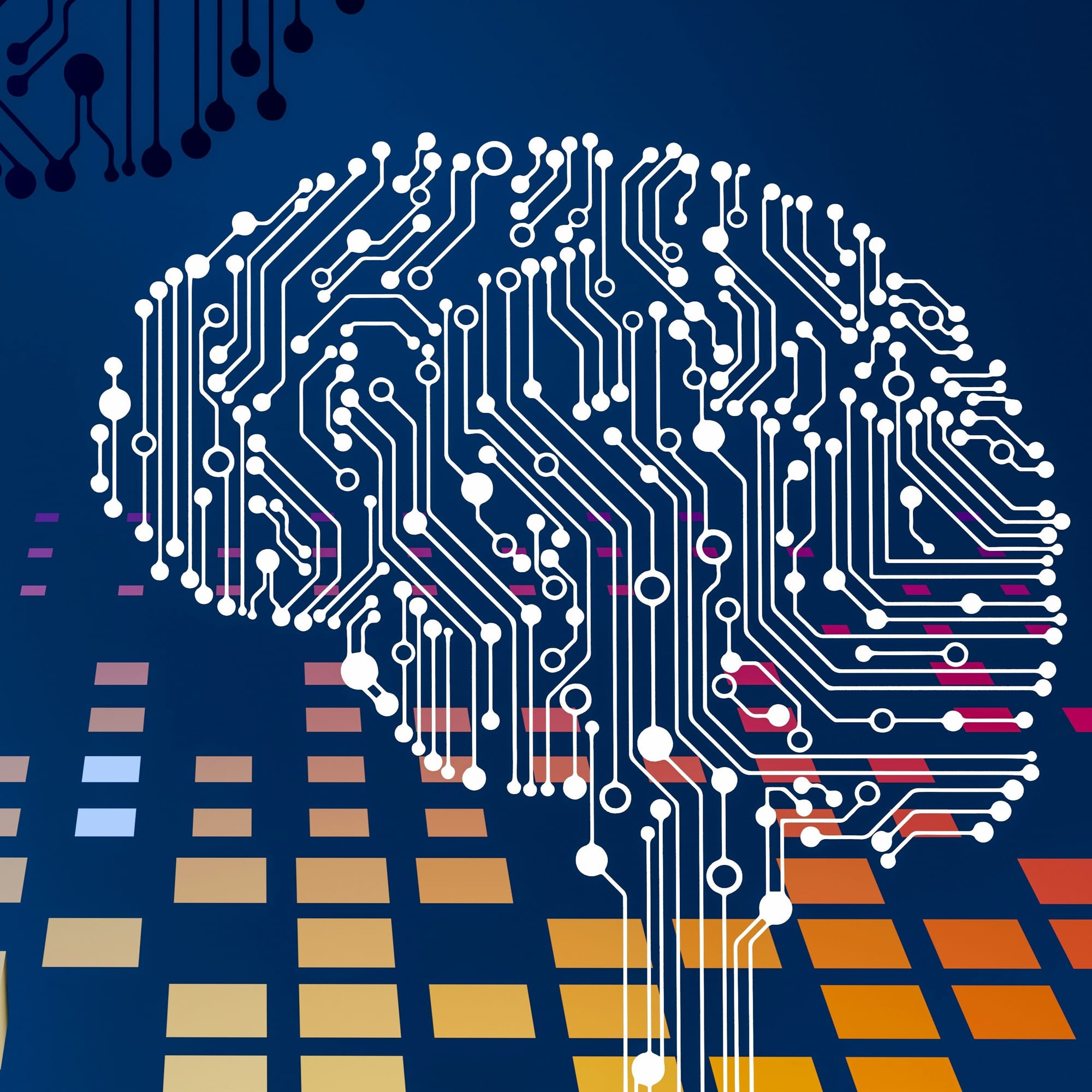
We live in a time where Machine Learning is getting more and more important, with AI models being used for an increasing number of tasks, such as sorting through job applications or identifying academic fraud. Therefore, it is important to make sure that computers make good decisions that do not unfairly discriminate anyone. For example, nobody wants their university application denied because of their race or their gender. But what exactly does it mean to make a fair decision? How can we teach that to an algorithm? And how do algorithms “decide” or “learn” something, anyway?
Those are the questions we will attempt to answer in this project! To that end, we will look at different definitions of fairness, how to express them so that a computer can understand them and evaluate both how accurate and how fair or unfair some machine learning models are. You will learn how to evaluate algorithms and we will discuss how different evaluation methods are in conflict with each other. We will also consider what kind of role datasets and potential data bias play for fairness in machine learning. And we will be working on how to make machine learning models more fair. You will learn the basic theory behind a few standard machine learning models and train and test models of your own. Our work will focus mainly on classification models – which sort data samples into pre-defined classes – and we will mainly use smaller models rather than deep neural networks. We will work with the programming language Python, but no previous experience in coding is required.
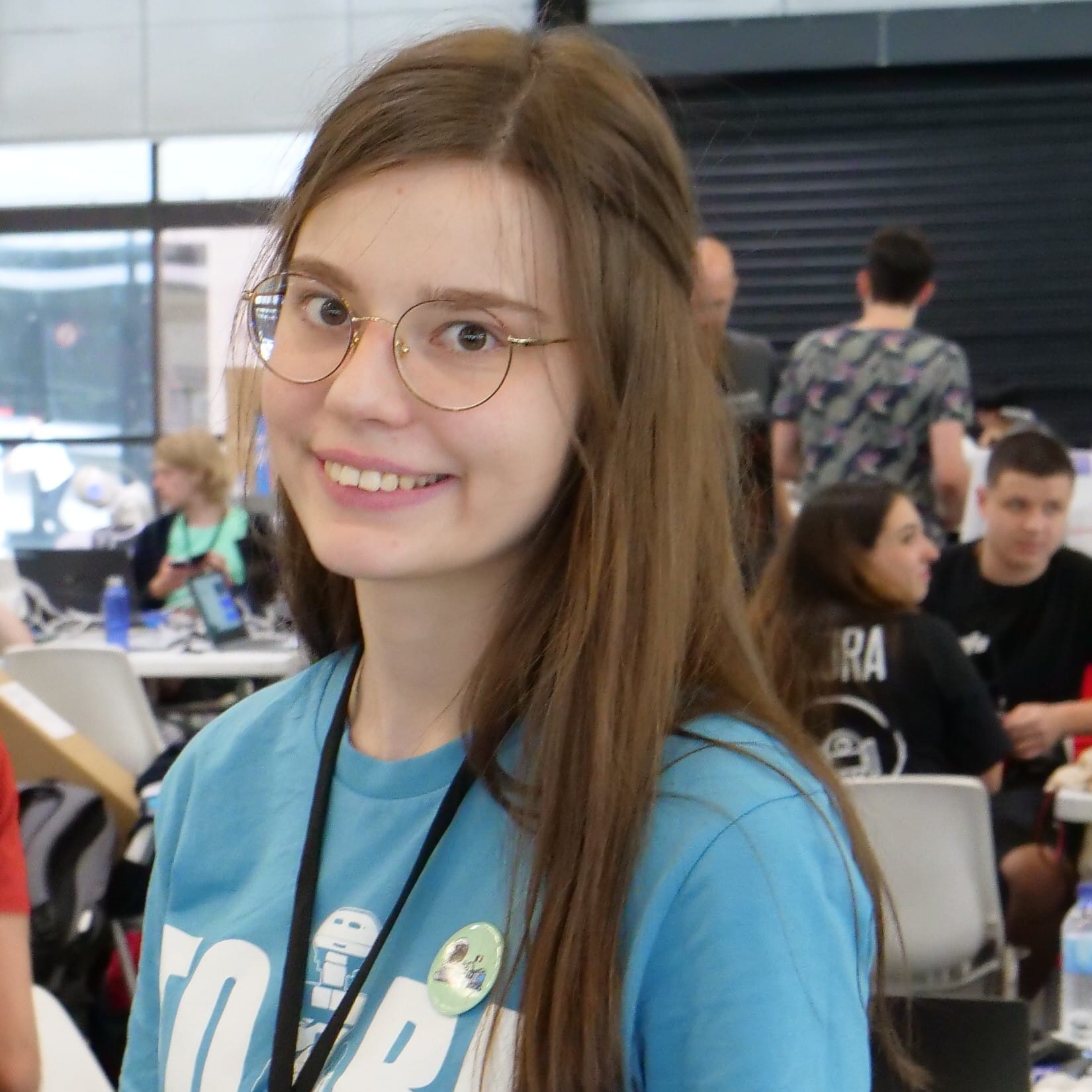
Kathrin Lammers
Bielefeld University, Germany
Kathrin is a second-year PhD student in the Machine Learning Group at the University of Bielefeld, where she also did her undergrad and master’s degree in computer science. Her current research focuses on stream learning and fairness. Kathrin participated in several regional summer school programs during her time at school. Initially intimidated by coding, which she never learned at school, she decided on computer science only during university open days and has not regretted that decision. She also enjoys English literature, crafts and going on long walks through the woods.
Risky Business: Using Mathematics to Make Decisions
Every day, we make decisions without knowing what the outcome will be – from choosing how to spend our money to planning our next move in a game. In many real-world situations, such as financial markets and AI systems, results depend on chance, incomplete information, and the actions of others. Understanding how to evaluate a decision, while weighing its risk, is becoming increasingly important in a world shaped by fast-moving data, predictive algorithms, and strategic thinking. These ideas are not only relevant to investors and data scientists, but also appear in games like chess, where players must make the best possible move with limited information while anticipating their opponent’s response.
In this project, you will explore how decisions are made under uncertainty and what influences our choices. You will discover how to assess potential outcomes using tools such as probability, decision trees, and payoff matrices. Through a series of interactive games and challenges, you will test different approaches and see how small decisions can have significant consequences. You will also step into the role of a trader in a market simulation, buying and selling as prices shift in response to the actions of others, just like real investors. Along the way, you will uncover why humans often make surprising choices, why intuition sometimes clashes with mathematics, and how thinking strategically can help you adapt and thrive in fast-paced, dynamic environments!

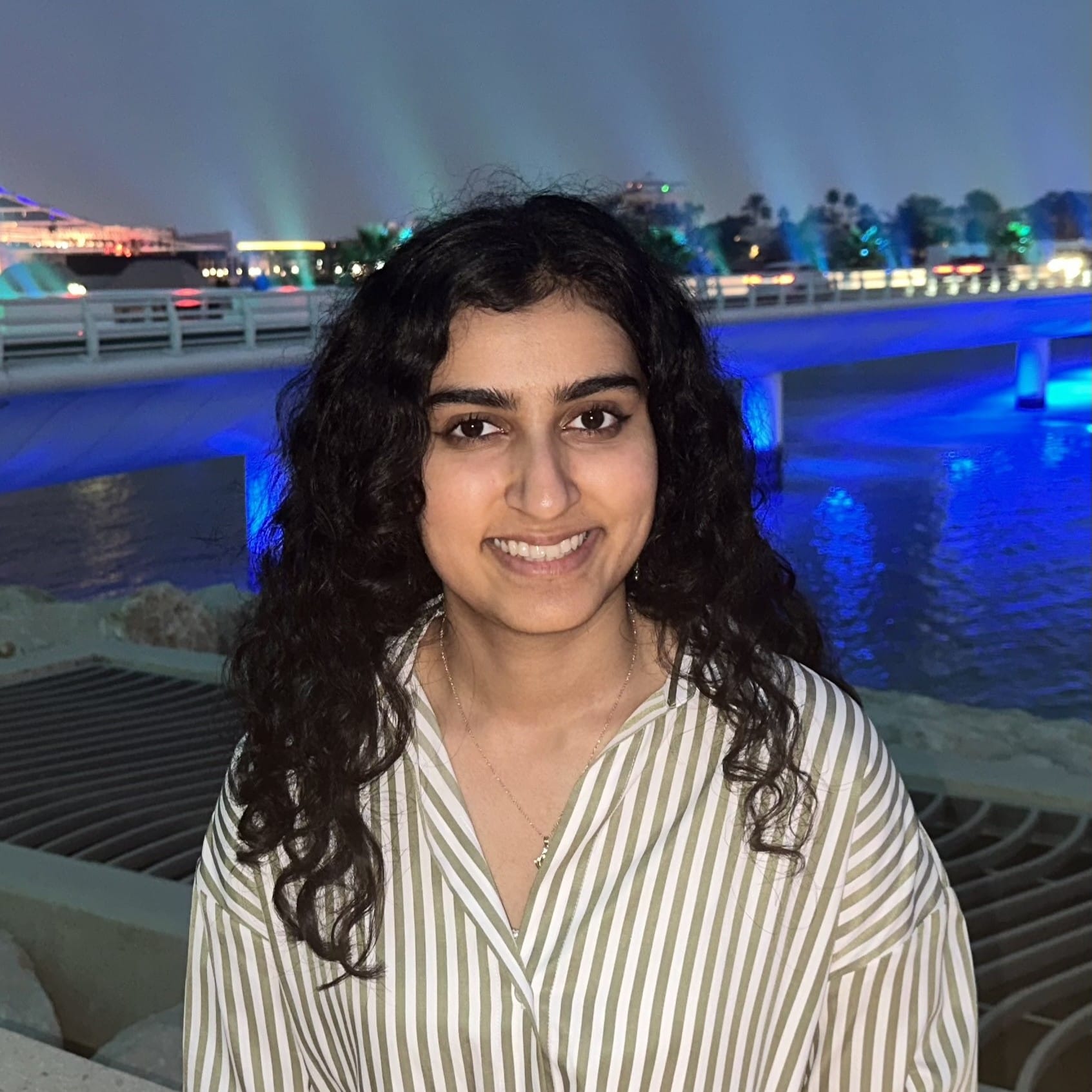
Alisha Vyas
Incoming student at Imperial College London, United Kingdom
Alisha is currently on a gap year and will be an incoming Mathematics student at Imperial College London. She is passionate about the mathematics behind game theory, investing, and financial markets, and is also a competitive chess player who enjoys the tactical challenges of the game. During her gap year, she has been volunteering, travelling, and studying for a finance qualification, taking opportunities to meet new people! In her free time, she enjoys running, improvising on the piano, and sketching.
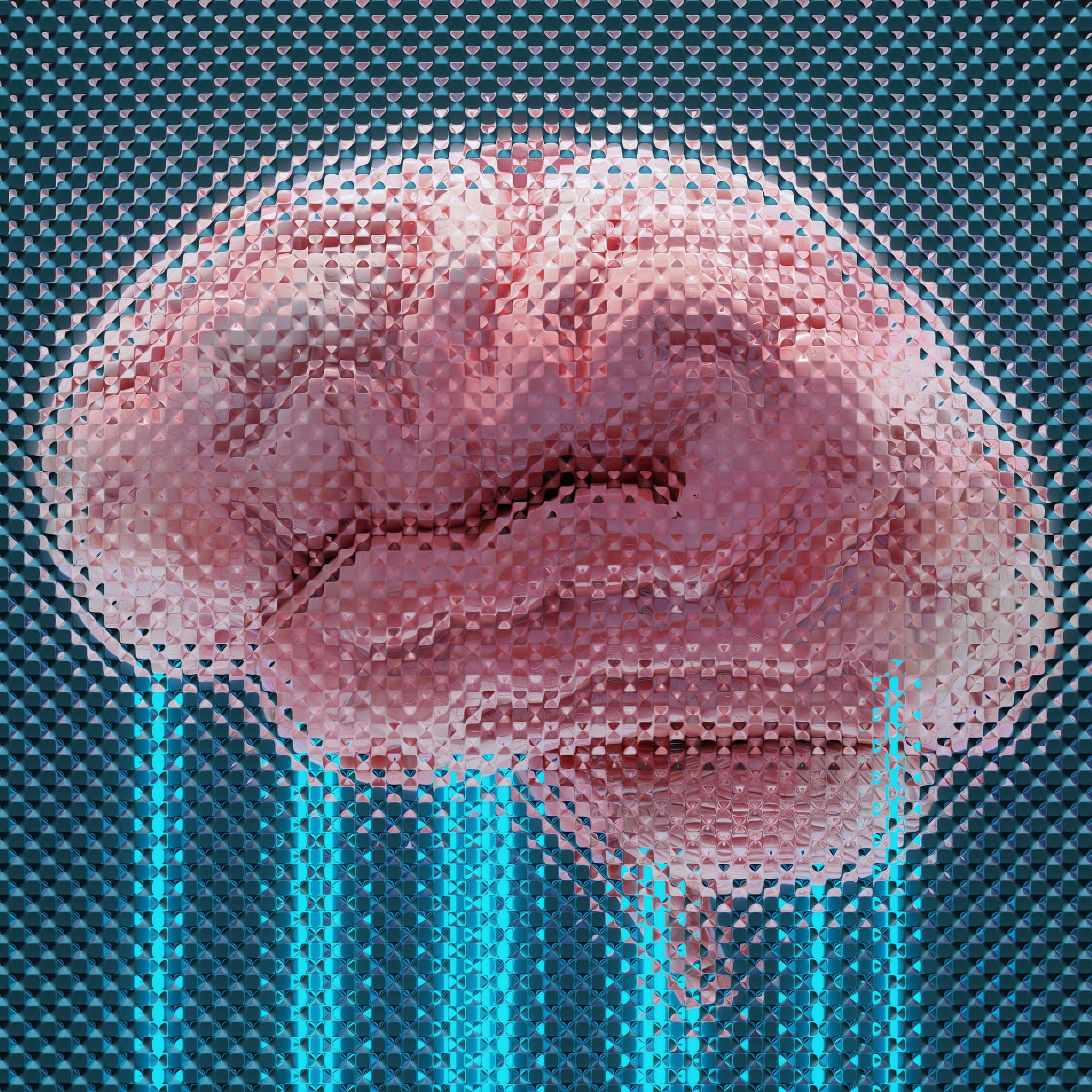
The Secret Language of the Brain
The brain (you have probably already heard of it) is a very important organ. So important that your body decides to protect it with a whole armour of bone. Its job is to communicate with your tissues, in a complex language that the cells understand. And what if we were able to understand it too? Translating the language of the brain would allow us to do plenty of things, like understand the mechanisms behind cognition, mental health, decision making, movement, and even use the brain language to control external devices. We could then use this knowledge to develop psychological treatments, cure brain disease, and engineer complex, limb-like prostheses.
During this project, we will dive in the broad discipline of neuroscience, learning about the anatomy and physiology of the brain, an organ that has been a big question mark for a lot of the human history. We will then learn the technological methods to acquire brain signals and to transform them in information we can use to modulate simple commands. Finally, we will build a simple game that shows what we have learnt about the brain and how it works, and use real time acquisition of brain waves to control it. This project will show how we are able to understand the brain's language, and utilize it in outer machines.
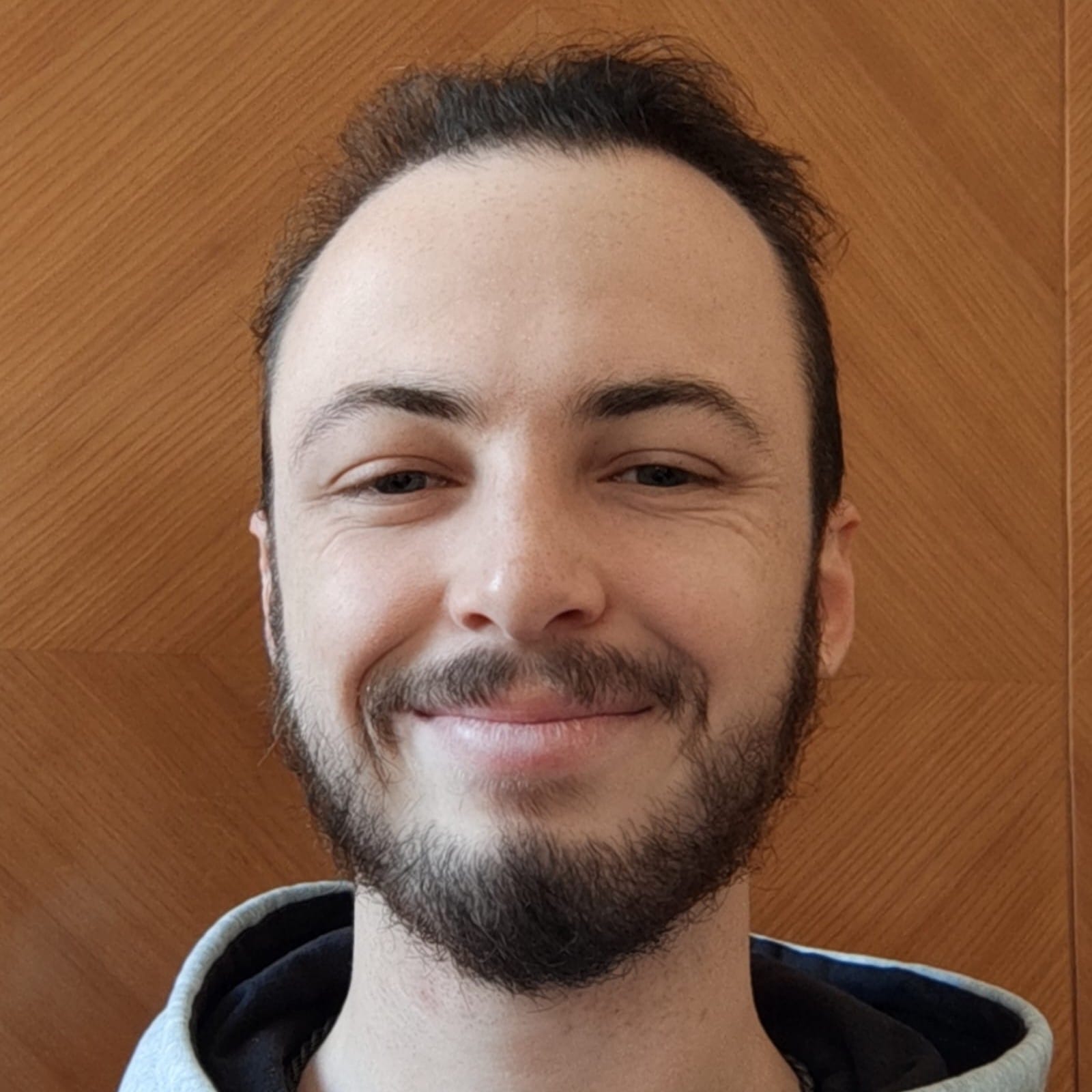
Federico Gazzani
University of Padua, Italy
Federico has a degree in Biomedical Engineering, and is currently attending his master degree in Bioengineering for Neuroscience at the University of Padua, in Italy. Even though he is interested in a lot of scientific topics, he is now focussing on Brain-Machine Interfaces. He has too been a student at S3, and in his career has also taught in programming and robotic courses (apart from being a swim instructor). If you lose sight of him, he’s just probably working out in the sun, or listening to some music.
Lectures
Coming soon...
Workshops
All Beliefs Are Beta
Being wrong is fine. But knowing how much to change your mind when you come across new information is better. Bayesian thinking gives us exactly that - a way to reason under uncertainty and combine what we already know with new evidence to make better choices.
In this workshop, we will explore how much we should trust a test result, when it is better to accept being wrong, and what your birth month says about your siblings. Through hands-on examples and simulations, we will see how much research, medicine, everyday decisions, and everything in between depend on just a few elegantly simple ideas.
Nera Majtanić
Velebit AI, Croatia
After recently completing a Master's in Mathematics, Nera decided to test the waters as a Data Scientist and see what machine learning looks like in the real world. However, she has always loved being a part of a (human) learning process, whether she's the one asking questions or the one answering them. That started with math competitions, camps, and workshops throughout school, and came full circle at university, where she mentored students prepping for those same competitions, as well as coursework. She hopes to bring that spark to the students at this summer school. In her free time, she enjoys spending time with friends, dancing and playing music.